
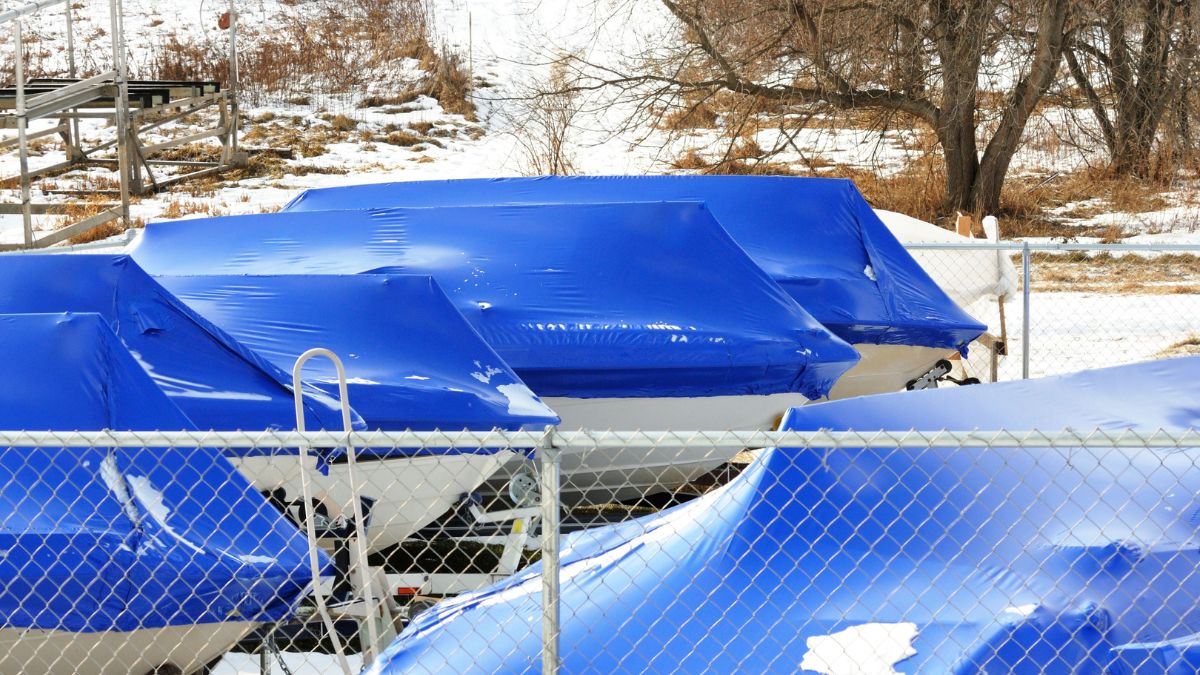
The Starks are always right: winter’s coming, and there’s no way to avoid it.
And while you may be dreaming of cozy evenings indoors, your boat is still out there, exposed to the elements. If you want to hit the water next season without a bunch of costly repairs, prepping your boat for winter is a must.
But don’t worry, winterising your boat doesn’t have to be too big of a deal. Here’s how to do it step by step, so the vessel stays in top condition while it hibernates.
1. Don’t Store It Dirty
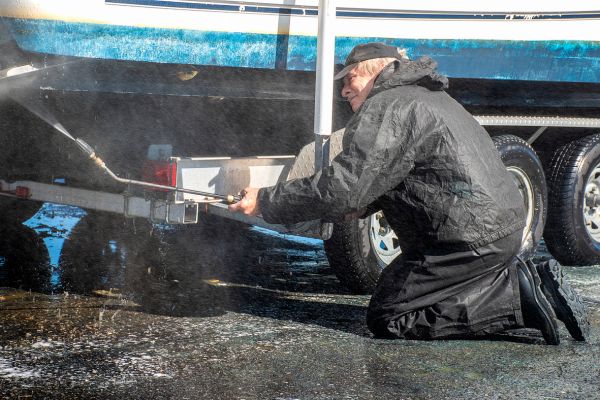
First thing’s first: give your boat a proper cleaning before you tuck it away for winter. Dirt, salt, and grime can cause damage if left to sit for months. A thorough wash now can save you from scrubbing next spring when everything will have hardened into a mess.
By that, I don’t mean you should just clean the deck and call it a day—get into every corner instead. Start with a freshwater rinse to wash off all the salt, then scrub down the hull and deck with a marine-friendly soap.
For more details, head over to my extensive guide to proper boat cleaning.
If you want great results with not so much effort, pressure cleaning of the externals is the name of the game here, especially if you’ve been in saltwater. “It’s not just about the good looks either,” says Albert Dahl, owner of a Melbourne pressure washing business. “If you don’t clean off the dirt now, it actually has the power to eat away at the finish over the winter.”
This is particularly true if you store your boat outdoors, where moisture lingers longer.
2. Take Care of the Engine
Your engine is the heart of your boat, and a little care now will go a long way. Start by flushing the engine with fresh water to remove any salt or debris. (Here’s a detailed guide to how to do that.) This is especially important for outboard motors.
Then you’ll want to add some fuel stabiliser to the gas tank, which prevents the fuel from going bad and causing engine trouble when you start it up again.
Finally, don’t forget to change the oil. Oil is a magnet for contaminants, and you don’t want that stuff sitting in the engine all winter. Plus, fresh oil helps prevent corrosion.
Think of it like a car sitting in the garage for months. Would you leave old, dirty oil in there all winter? Probably not. It’s the same concept with your boat engine—fresh oil now means less stress later.
3. Drain and Dry Everything
Water left in your boat’s plumbing systems can freeze and cause all kinds of expensive damage. Drain any water from the bilge, freshwater tanks, live wells, and the engine.
You’ll also want to run antifreeze through the boat’s plumbing system to make sure nothing, well, freezes over.
Don’t stop there—take a good look at all the compartments, hatches, and storage areas. Wipe them down and let them dry out before sealing everything up. If your boat is stored in a humid area, moisture can lead to mold and mildew buildup, which is a nightmare to deal with later.
4. Protect the Inside
Before you store your boat, take some time to protect the interior. Remove all cushions, life jackets, and any other fabric items. Store them in a dry place to prevent mildew from forming.
If you can’t store the items indoors, at least make sure they’re thoroughly cleaned and dry before putting them back into the boat. You can also place moisture absorbers (like silica gel packs) in compartments to soak up any extra humidity.
If you have vinyl seating, give it a quick wipe with a vinyl protectant before storing the boat. This helps prevent cracking or fading over the winter months.
5. Cover It Right
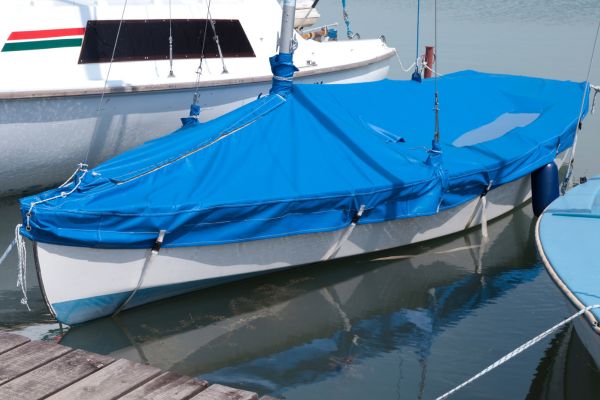
A boat cover functions like a good winter jacket. If it’s too tight, the boat will sweat inside. (Well, not actually, but you get the gist.) Too loose, and it will freeze. Bottom line, your boat needs just the right amount of airflow under the cover to stay dry without trapping moisture.
A nice and sturdy piece of tarp is all you need to protect it from the elements. A proper boat cover keeps snow, rain, and debris from piling up on your boat. Look for a breathable, waterproof cover that’s made specifically for your boat’s size and shape.
If you’re storing your boat outdoors, consider shrink-wrapping it for maximum protection. Just make sure there’s enough ventilation underneath the cover to prevent condensation from building up and causing mold.
6. Check the Battery and Electronics
Before winter hits, disconnect the battery and store it in a warm, dry place. If you’re leaving the boat out in freezing temperatures, a stored battery can lose its charge or even crack from the cold.
As for electronics like GPS and radios, make sure they’re removed from the boat if possible. Cold temperatures and moisture are the enemies of electronics, so store them indoors for safekeeping.
7. Inspect and Repair Any Damages
Prepping for winter may not be very much fun, but it’s the perfect chance to address any small problems that cropped up over the season. Take a good look at the hull for any cracks, blisters, or chips. If you notice anything off, now’s the time to get it repaired.
The same goes for the boat’s roof or canopy—inspect it for wear and tear, and consider replacing it if it’s showing signs of damage. Catching these issues now means you’ll be ready to go once spring rolls around.
Final Thoughts
Preparing your boat for winter isn’t just about stashing it away and forgetting about it. A little TLC now will make all the difference when you’re ready to hit the water again. Winterising your boat might sound like a chore, but it’s a small price to pay for ensuring a hassle-free launch next season. So grab a brush, your pressure cleaner, and a cover—your boat will thank you come spring!